
Follow the Makers Across the Alpine–Adriatic
Mapping the Route Between Peaks and Sea
Hidden Villages, Open Doors
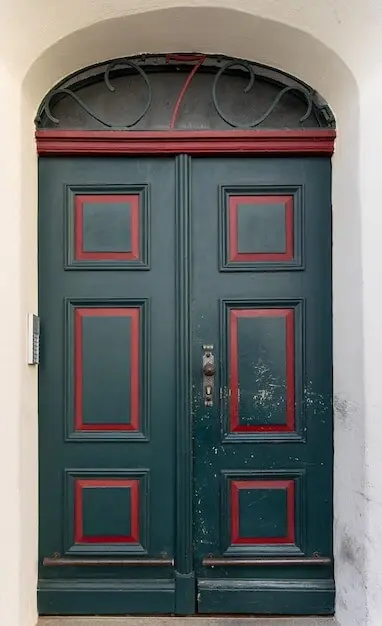
Take the side road your navigation nearly ignores, and you may find a lace attic above a quiet café or a woodshop perfumed with larch. Knock kindly, greet slowly, and let curiosity, not speed, decide how long you linger and learn.
Border Crossings Without Barriers
Here, boundaries feel like bridges. Cycleways slip from Carinthia into Slovenia, and regional trains knit Friuli with coastal towns. Multilingual signs, shared markets, and maker networks ensure you travel smoothly, paying attention to stories instead of stamps or stressed timetables.
Seasonal Rhythms to Plan Around
Winter favors carving by warm stoves and slow fermentation, while spring invites dye pots, sheep shearing, and easy ridgelines. Summer extends daylight for village festivals, then autumn returns harvest rituals. Match your calendar to their cycles, and your welcome becomes warmer.

Larch, Spruce, and the Scent of Resin
In Carinthian valleys and Carnia’s forests, woodcarvers read grain like a map, letting knots become gestures rather than flaws. You’ll learn safe knife holds, respectful harvesting stories, and finishing techniques that leave surfaces warm, breathable, and unbelievably inviting to touch.
Stone and Salt from the Karst and Coast
Walk windy terraces above Piran’s salt pans, then feel the heft of limestone patterned by fossils. Workshops teach shaping, polishing, and pairing mineral textures with embroidered linens or oak boards, honoring meals, thresholds, and memories that gather wherever hands repeatedly meet surfaces.
Clay, Pigments, and Patient Heat
From riverbeds near Škofja Loka to coastal studios, clay becomes tableware, tiles, and luminous glazes mixed with regional oxides. Expect wedging, trimming, and kiln etiquette, plus stories about water, weather, and failure that turn utilitarian objects into deeply personal companions.
Hands-On Learning That Stays in Your Hands
Forge a Keepsake in Kropa
Bobbins Dancing in Idrija
People Behind the Craft
Travel Practicalities for Curious Hands
Reserving a Seat at the Bench
Many studios open only when participants commit, so write early, confirm language needs, and ask about deposits that protect fragile calendars. Clear messages, flexible dates, and punctual arrivals honor makers’ planning labor and free energy for teaching rather than triaging last-minute surprises.
Etiquette That Builds Long Friendships
Arrive clean, ask before filming, and don’t haggle prices built from years of apprenticeship. Offer to sweep chips, refill water, and credit names when posting. Respectful behavior multiplies invitations, making each workshop not a transaction, but an exchange that grows community.
Pack Light, Protect Your Curiosity
Closed shoes, a notebook, reusable earplugs, and a bandana serve better than heavy gadgets. Leave room for small, maker-signed pieces rather than bulk souvenirs. Most of all, carry patience, because genuine learning favors questions, attentive pauses, and celebrating slow, surprising progress.
Stories to Bring Home and Share
A Journal That Holds More Than Tickets
Sketch tool shadows, paste a salt crystal, or record the scent of smoke with a smeared line of charcoal. Notes about mistakes and breakthroughs will guide future travelers, including you, turning fleeting sparks into a steady glow long after borders fade.
Photograph with Context, Credit with Care
Ask if process shots are welcome, include makers’ names, and mention materials and places. Pair images with short reflections on what felt difficult, joyful, or humbling. Responsible storytelling protects communities from imitation without understanding and amplifies the value of learning directly.
Stay Connected, Keep the Circle Growing
Subscribe for route updates, propose artisans we should meet next, and share your workshop wins or worries in the comments. Your notes help refine maps, scholarship ideas, and safety checklists, ensuring future visits remain generous, sustainable, and anchored in real friendships.

All Rights Reserved.